Blackrock, Ireland |
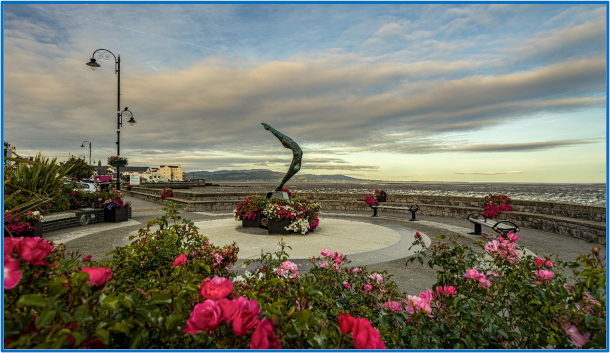 |
| Blackrock a small town nestled on the shores of Dundalk Bay, is a coastal gem where vibrant community spirit meets progressive sustainability. With breathtaking seafront views and a forward-thinking approach to planning and development, Blackrock is a beacon of innovation and natural beauty. The town leads the way in climate action and biodiversity, thanks to creative projects, ensuring a bright and resilient future for generations to come. Its picturesque built environment weaves the charm of heritage and contemporary living, framed by landscaped promenades and immaculate streetscapes. Expansive green spaces, a lively community park, and pollinator-friendly zones bring the landscape to life. Environmental education takes centre stage with schools and local groups championing the town’s green mission. The heartbeat of Blackrock is its passionate residents, the award-winning Tidy Towns group, bolstered by support from Louth County Council. Blackrock shines as a model of civic pride making it a standout ambassador for Ireland. |
Cejle, Czechia |
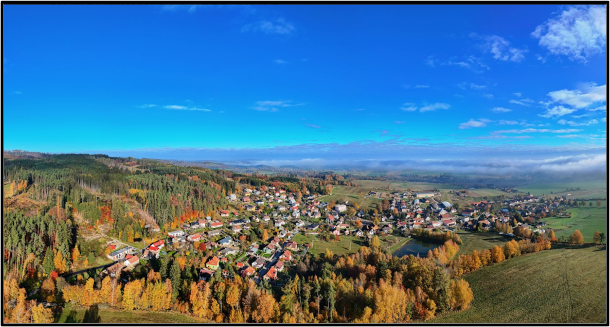 |
| Cejle is a small rural village in the Vysočina Region of the Czech Republic, set within a landscape of forests, meadows and rolling hills. The village is closely connected to its natural surroundings and takes a thoughtful, long-term approach to the care of public green spaces, with a strong focus on environmental responsibility, visual harmony and the preservation of local character. Nature and community are closely linked in Cejle. Biodiversity is supported through the protection of natural habitats, environmentally sensitive maintenance practices and the use of native plant species. Public spaces reflect local identity and provide welcoming places for meeting and shared activities. A strong sense of community is at the heart of village life. Residents of all generations actively contribute to village development through volunteering, tree planting, landscape care, cultural events and environmental education. Children and young people play an important role in shaping the future of the village, strengthening their relationship with nature and their sense of responsibility for their home. Cejle is a living example of sustainable rural development based on cooperation, care and respect for the landscape. |
Erfurt, Germany |
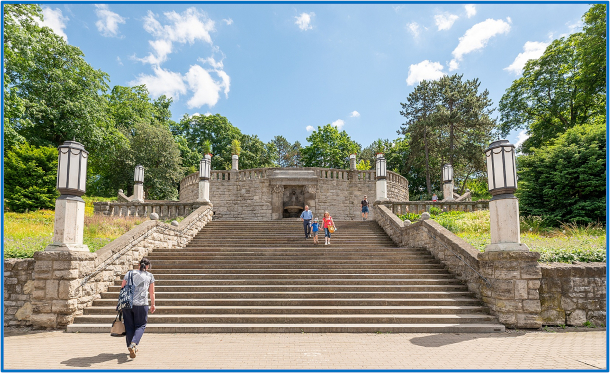 |
| “ERFURT... is in the best location. There must be a city here!" So judged the great reformer Martin Luther in the 16th Century. However, Erfurt was first mentioned as early as 742 in a letter to Pope Zacharias. The missionary bishop Boniface recognized the predestined location of the place "Erphesfurt" in the fertile Gera floodplain and recommended it to the Roman Church as the seat of a diocese. Erfurt became the spiritual center of Thuringia. Mayor Christian Reichart soon brought horticulture in Erfurt to an intensity and flourishing that earned Erfurt European-wide fame as a horticultural or flower city. At the same time, Reichart developed watercress cultivation. Notably, the name "Flower City" was already coined in those days and referred to Erfurt's flower cultivation as well as the extensive flower fields for seed production at the city's outskirts. Horticulture has a long tradition in Erfurt: from woad cultivation in the Middle Ages to provide a blue dye, to watercress cultivation in the 18th century, up to modern plant breeding by family businesses based in Erfurt, such as N. L. Chrestensen and Kakteen-Haage. This ’green thread' can still be traced today in the various parks and green spaces that stretch throughout the city. Erfurt, the 'green city.' ln total, the green areas of the city of Erfurt cover 550 hectares of recreational spaces and over 1,000 hectares of forest. They invite you to stroll and linger, but also to engage in sports activities. Erfurt - one of the oldest cities in Germany. Erfurt - one of the most promising cities in Germany. A city with a past and a future. A city where the present pulses in a unique setting. A City with people who value tradition and are open-minded. A confident and charming city in the heart of Germany and Europe. |
Etyek, Hungary |
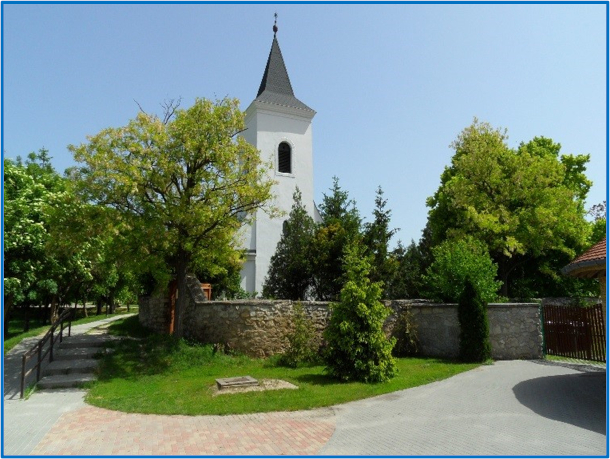 |
| Etyek is a friendly settlement located only 30 km from Budapest, where our main goal is to preserve a family-friendly, close-to-nature living space and to cultivate the values associated with it. We believe that respect for the treasures given by nature creates a sustainable, traditional environment in which it is good to live and where it is good to arrive. In an innovative way, but step by step, we beautify, care for and enrich our wildlife so that it not only provides peace, recharge and tranquillity to the guests and tourists who visit here, but also provides daily inspiration for good mood, a healthy lifestyle and interest in each other for the locals. We consider it important that the community spaces and the natural environment are in harmony, and that Etyek can show its calm, liveable face in every season. We pay special attention to our children; therefore, we try to create every opportunity for their physical and mental development, upbringing and improvement. Our tourism based on wine and gastronomy is also strengthened by the continuous development of our cycling culture. The Budapest-Balaton cycle path, the pump track and the downhill track attract more and more visitors looking for active recreation and travel options to Etyek, while also creating new experiences and opportunities for the locals. Our settlement has been the start or finish point of the Tour de Hongrie cycling race for several years, which is a special pride for us and further strengthens Etyek's good reputation in the world of sports and tourism. |
Kecskemét, Hungary |
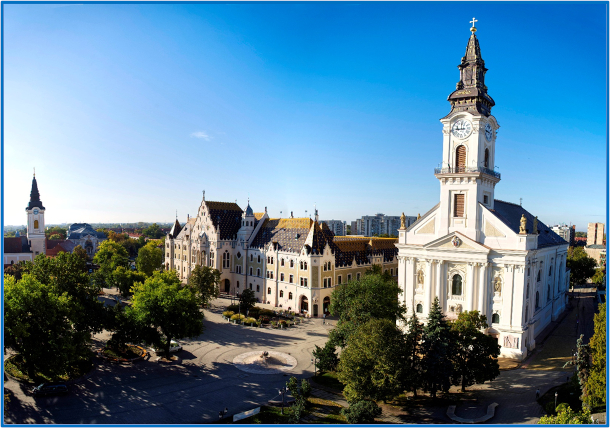 |
| Kecskemét is a dynamically developing city in the heart of the Hungarian Great Plain, strongly committed to green urban development and landscape protection. Through the protection of natural landscapes, expansion of urban green areas and sustainable land-use practices, the city actively addresses environmental challenges, while supporting a high quality of life. Its close connection to the unique landscapes of the Kiskunság region reinforces Kecskemét’s role in balancing urban growth with environmental responsibility. In the past decades the city has developed into the economic, administrative, educational, and cultural centre of the region. Kecskemét is the home of world-renowned music experts, art studios, while it is a major contributor to national economic growth. The Art Nouveau city centre is listed as of Special National Value. The Town Hall designed by Ödön Lechner and the richly decorated Ornamented Palace frame an active green public space, that functions as the heart of community life. |
La Vraie Croix, France |
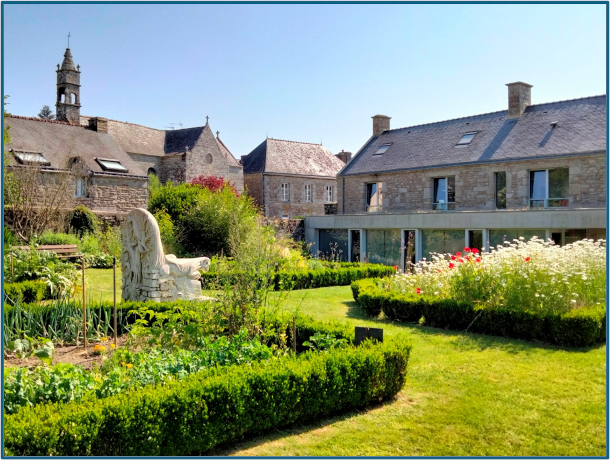 |
| The municipality of La Vraie-Croix fully embraces the values of Entente Florale Europe through a comprehensive approach that integrates landscape, environment, education, social cohesion, and tourism. With over fifty years of commitment to environmental enhancement and holding the "Four Flowers" label continuously since 1993, as well as the Gold Flower in 2018 and again in 2025, the municipality has made responsible landscape and floral design a defining characteristic and the guiding principle of its projects. This policy aims to sustainably enhance the living environment, while addressing the current challenges of climate change and resource conservation. The management of green spaces promotes biodiversity, the use of native plant species, and the elimination of chemical inputs. Educational initiatives, led by the municipality's accredited schools, raise environmental awareness among younger generations. The involvement of residents and associations strengthens the shared landscape identity, fosters the development of sustainable tourism, and enhances hospitality, as well as the built and natural heritage. In this way, it contributes to the growth of the local economy in a responsible manner. |
Piobesi Torinese, Italy |
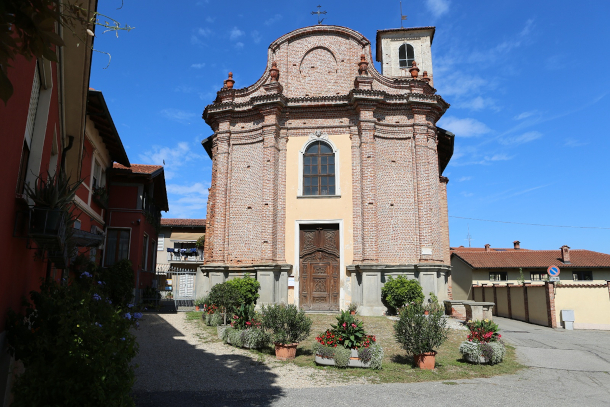 |
| Piobesi Torinese is a municipality in the Metropolitan City of Turin (Piedmont), in the southern part of the Turin metropolitan area. As of 31 December 2024, it has 3,787 residents (average age 46.4; 598 under 18). The municipal area covers 13.05 km², is largely flat, and features a rural landscape of farmland and historic farmsteads; it borders Vinovo, None, Candiolo, Castagnole Piemonte and Carignano. The local economy has traditionally been rooted in industry and agriculture, supported by a network of SMEs and a gradual path of diversification. Key heritage assets include Piobesi Castle and its park, the Romanesque Church of San Giovanni ai Campi, and IFSE, an internationally renowned culinary school. The municipality benefits from a lively network of sports and community associations, and a new municipal sports centre is currently in the planning stage in the heart of the village. Piobesi is also investing in active mobility, with cycling and shared-use paths— including the “2 Ruote 2 Regge” route and new links to schools and the cemetery— and presents itself as a dynamic community committed to sustainability, green care, accessibility and high-quality public spaces, aligned with European values of beauty and well-being. |
Riverstown, Ireland |
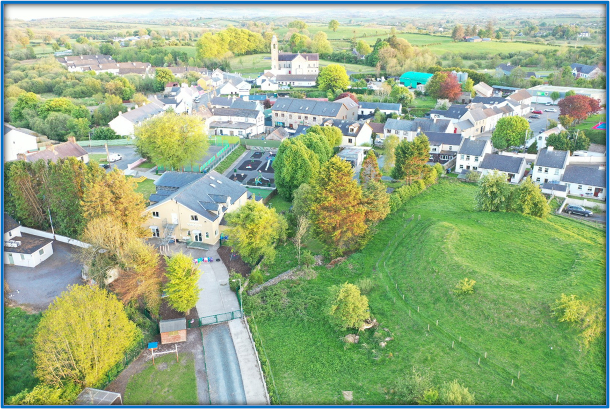 |
| The village of Riverstown is nestled in the heart of rural County Sligo. The village has an informal layout and a strong agricultural history. It's Irish name 'Baile idir dhá Abhainn' means town between two rivers. The River Unshin (designated a Special Area of Conservation) and the Douglas River are significant landscape features and strongly influence the rich biodiversity of the locality. Not only do we have two rivers, but we also have two churches, two national schools, two halls and two bridges. The village has a strong community who are committed to its sustainable development to ensure that Riverstown is an attractive place to live in and visit. They have established Sligo Folk Park, community park, community garden, wildflower meadow, green spaces, playground, Little Buddies Creche, Morrison's Teach Cheoil (traditional music centre) and an astro pitch. The village has won two national Pride of Place awards, four Regional and seven County Tidy Towns awards. |
Roanne, France |
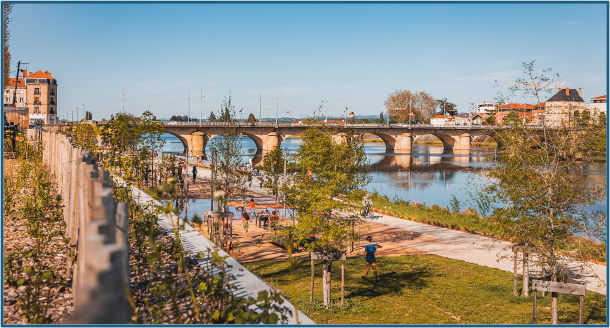 |
| Located in the northern part of the Loire Department in the heart of the Auvergne-Rhône- Alpes region, the city of Roanne is at a strategic crossroads between Lyon, St. Étienne, Clermont-Ferrand offering highly diverse landscapes. Roanne is a dynamic and forward-looking city in terms of urban development with its Loire riverbank enhancements and landscape design, combining environmental challenges with aesthetics. Moreover, the city is committed to creating ‘cool islands’ through its extensive high-quality tree heritage, placing living ecosystems at the heart of its projects. Roanne is a city of water and gastronomy, with a true taste for the good life. |